

Components
- 3½ cups of wheat flour (tea)
- 11/3 cups of water (tea)
- One tablespoon of dry active yeast (approximately 10 grams)
- Two tablespoons of salt
- wheat flour for dusting the countertop
- apply oil to consecrate the bowl
- water to mist the loaves
Ready state
- In a big bowl, combine the flour with salt and yeast. Slowly add the water, stirring with a spatula to blend. Allow it to sit at room temperature for 10 minutes to let the flour absorb the water more effectively.
- After resting for 10 minutes, use a spatula to roll and fold the dough over itself until it reaches a more manageable consistency. Then, move the dough to the countertop and work it for about 15 minutes—folding, kneading, stretching, and kneading again—until it becomes smooth, soft, and slightly moist. Alternatively, you can knead the dough using a mixer with a dough hook on low speed.
- Coat a large bowl with olive oil. Shape the bread dough into a ball and place it in the oiled bowl. Cover it with a dishcloth (or plastic wrap) and let it rise at room temperature for approximately 1 hour or until it has doubled in size.
- After the dough has risen, dust the countertop lightly with wheat flour and let the dough rest for an additional 5 minutes. Shape it into a ball, cover it with a cloth, and allow it to rest for another 10 minutes. In the meantime, prepare a large baking sheet by sprinkling it with wheat flour.
- On the countertop, divide the dough into two equal parts using a spatula (or knife) and shape them into two round rolls. Place the rolls on the baking pan with the seam side down, cover with a cloth, and allow them to rest for an additional 30 minutes.
- In the meantime, set the oven to 220 °C (high heat) so it will be properly heated by the time the bread has risen.
- After 30 minutes, use the tip of a sharp knife (or stiletto) to make three parallel slashes on the surface of each loaf. Spray with water and place in the oven. Bake for approximately 30 minutes until the crust turns golden.
- After baking, take the pan out of the oven and gently move the bread onto a cooling rack. Allow it to cool completely before slicing.
NOTE: Bread can be kept for up to one week in a tightly sealed plastic bag or a cloth bread bag. Alternatively, you can freeze pre-sliced bread and keep it in the freezer for up to one month.
Sear in the skillet
For an improved outcome, you can bake the bread in a pan. In this case, it’s best to make one large loaf using all the dough, although you can also bake the two smaller loaves separately. When preheating the oven, place a pan with a lid inside—this pan should be made of stainless steel, iron, ceramic, or stone. When it’s time to bake, carefully take out the pan, oil the bottom, and then place the dough inside. The bread will rise well due to the dough’s moisture, and halfway through baking, remove the lid to allow the crust to brown.
Purchase only what is necessary
Store
Face coverings

Measure reapers

chsyys/PixaBay
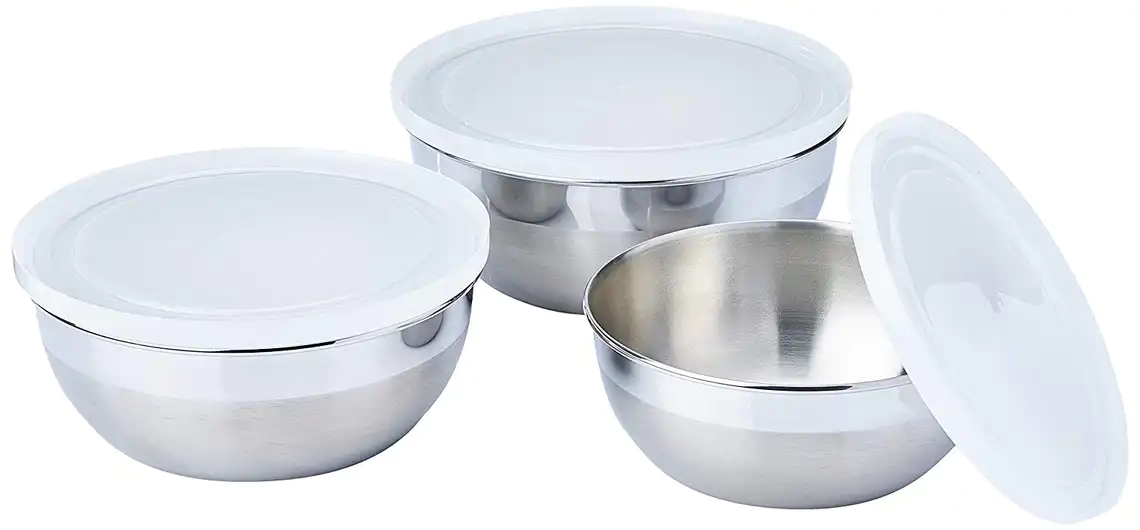
Tramontina Freezinox Stainless Steel Cookware Set with Plastic Lids
Staub silicone scraper

chsyys/PixaBay
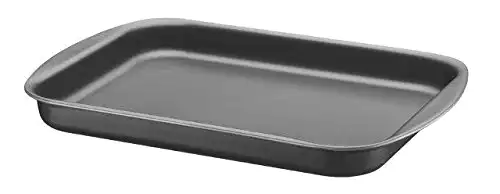
Tramontina Aluminum Rare Roast
Mimo Style stainless steel spatula

Bugatti bread knife